Table Of Content
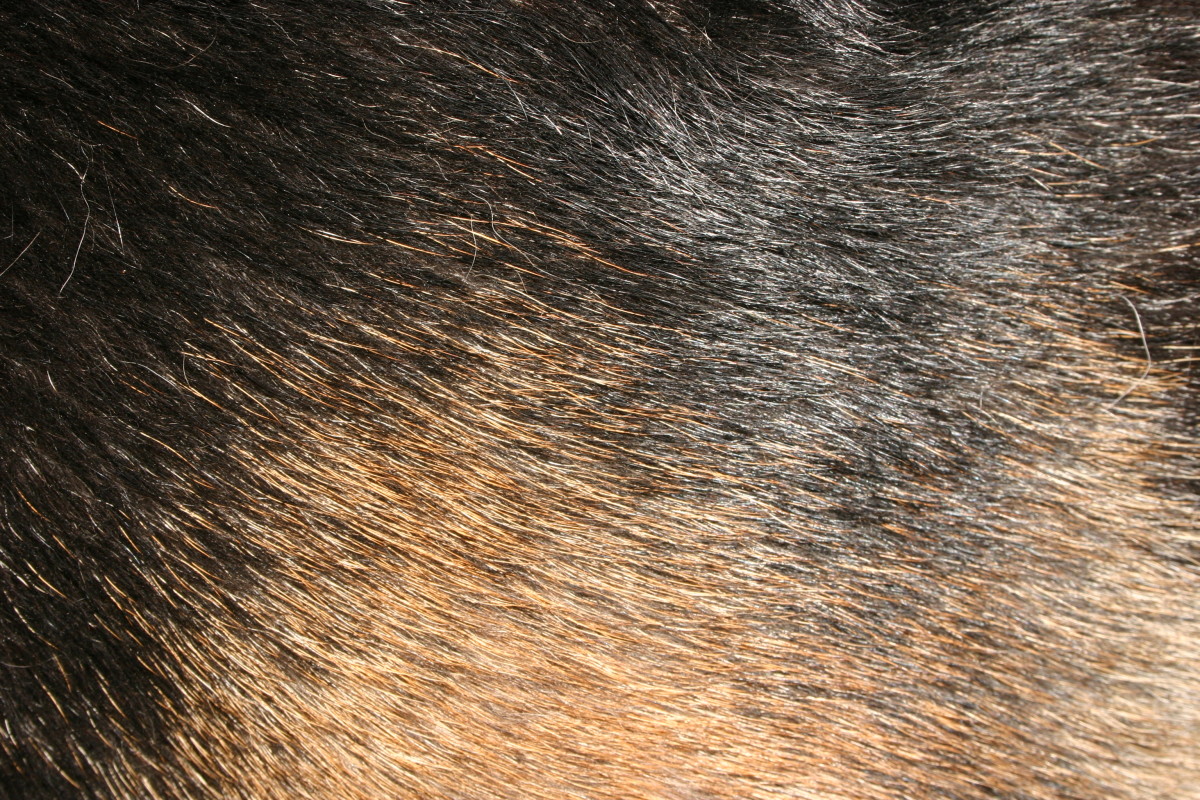
In the anagen phase, hair or fur is actively growing from the follicles. For example, Voss said, small mammals' coats generally match the color of the soil in their environment so they'll blend in with the dirt. Fur coloration can be used for sexual selection, or to serve as a warning to predators that an animal carries toxic chemical weapons — as is the case with the skunk. In the realm of the animal kingdom, fur and hair are often used interchangeably, but are they truly the same? While both fur and hair serve similar functions for creatures, they possess subtle yet significant distinctions. This article delves deep into the world of fur and hair, exploring their composition, functions, and unique characteristics.

Fur, Wool, Hair: What's the Difference?
By the end, you'll have a clear understanding of what sets these two apart. The cycle itself is relative not only to different species, but also to different areas of the body, which explains why the hair on your arms and legs isn’t the same length as the hair on your head. For instance, the same 2- to 7-year anagen phase on your head lasts 30 to 45 days on your arms and legs. Hair and fur are practical terms to refer to different genetic programs for different types of dog coats.
Hair Evidence
While hair and fur share the same composition, structural differences distinguish the two. Hair typically has a longer growth pattern, allowing it to grow more extended over time. Fur can be dense or sparse; soft or coarse; colorful or drab; monochromatic or patterned.
Human Hair
"Strong, healthy mammals have glossy coats, while sick mammals have shabby-looking coats." The first type of "hair" to emerge in mammalian ancestors was perhaps a modification of scales, "or some sort of hard, nonhair epidermal structures," Khidas told Live Science in an email. In the ever-evolving world of fashion and sustainability, understanding the nuances of fur and hair is crucial. As we strive for ethical and eco-friendly choices, this knowledge empowers us to make informed decisions in our daily lives.
To comprehend the significance of these integumentary structures, it is imperative to delve into the evolutionary insights that have molded fur and hair into their present forms. As mentioned above, both hair and fur are made of the same chemical substance. Although some people assume that the difference between hair and fur is the fact that fur stops growing after a certain period and hair continues growing, this is not true. The texture of animal furs tends to have a double composition.
‘So many compliments’: $99 hair curler we rate - news.com.au
‘So many compliments’: $99 hair curler we rate.
Posted: Wed, 17 Apr 2024 07:00:00 GMT [source]
For example, when there are white fibers in your black dress, you call them cat hair or dog hair, not cat fur or dog fur. Whiskers have a few differences, including that they tend to be longer and stiffer (but this is not always the case), and they're important sensory organs. "Every follicle has a certain amount of innervation," MacPhee explains. The way it works for whiskers is that they have mechanoreceptors, which means that when the whisker is disturbed by hitting an object, a signal is immediately sent back to the brain and analyzed there. Which is why whiskers are utilized by all kinds of mammals as a sensory apparatus in their environment. A manatee's face [PDF], for instance, is exclusively whiskers because every follicle has these key (and distinct) features.
Aside from its ability to be cut, styled, and dyed to better reflect a person's personality, hair serves a number of important functions. For example, eyelashes and eyebrows prevent particles from entering the eye. Tiny hairs found in the nostrils and ears also serve a similar purpose. In addition, hair helps to keep the body warm, particularly on the human head, where a significant portion of heat is lost without this covering. Survival adaptations are evident in the variety of ways mammalian hair and fur contribute to an animal’s ability to thrive. Camouflage is a key survival tactic made possible by fur patterns that allow animals to blend into their environment, like the spots on a leopard or the white coat of an arctic fox.
One theory is that fur evolved because mammals are warm-blooded and hair is a good insulator. If you're going to spend all this energy heating yourself up, you want to be efficient about it. A different theory is that hair enhances the sense of touch, like wiskers.
But, have you ever asked yourself if they are in fact the same thing? If you have a furry, or hairy, friend at home, here are some things you should know about their coats. The topmost layer of the guard hair helps the animals to display or camouflage, water-repelling, protection from ultraviolet radiation, protection of skin from cuts and scratches, and others. It is a layer of protection for many mammals, locks out cold temperatures for them, and for humans also, the hair on the body acts as protection later from harmful UV rays of the sun. As evidenced in the cases above, both human and animal hair can be strong evidence in criminal cases. There are certain characteristics linked to each that forensic examiners are trained to look for.
At the time, the field of forensic science was relatively new, and investigators were unable to match the hair to a key suspect in the case. The crime went unsolved until, in 2010, the preserved hair was sent to a forensic lab for analysis. Advanced forensic testing positively identified that the hair belonged to key suspect Frank Wright. Unfortunately, Wright was never prosecuted, since he passed away in 2002. Both of these domestic species have whiskers, highly sensitive types of hair that serve as sensory tools.
However, you will rarely meet someone who refers to a horse’s coat as fur. When it comes to larger animals like horses and livestock, what determines if they have hair or fur is if humans can use their coats as, well, coats. For example, a cow’s or horse’s coat is not dense or long enough to be used as garments, so we call their coats hair. In contrast, mammals like bears and minks are considered to have fur, while animals like sheep are said to have a fleece of wool.
Whales, for instance, are mammals, but they are nearly hairless. Some animals have a combination of fur and hair to serve various functions, such as protection and sensory perception. In summary, the future of fur and hair is marked by a profound shift towards ethical and sustainable practices. As the world navigates these complex dynamics, the journey of fur and hair holds the promise of greater ethical and ecological harmony in the years to come. One of the central factors influencing the future of fur and hair is the growing awareness of ethical considerations.

Sustainability is another critical aspect influencing the trajectory of fur and hair. The environmental footprint of these industries, especially the fur trade, has drawn scrutiny. Issues related to waste disposal, energy consumption, and the ecological impact of fur farming have prompted calls for more sustainable practices.
The main difference between hair and fur is the way each grows. Even though both dog hair and fur go through the same phases of the hair cycle, how long each stage takes determines the characteristics such as thickness, length, texture, and shedding. Generally, “hair” goes through a longer Anagen phase or growing phase. Dog “fur” goes through the entire cycle quicker, which is why dogs with fur shed more often. Since fur goes through every phase faster, including the growing phase, dog fur is typically shorter and thicker than hair which is longer due to its longer growing phase. Fur coats also tend to shed more and disperse in the air with shorter growth cycles.
Most hairless animals cannot go in the sun for long periods of time, or stay in the cold for too long.[15] Marsupials are born hairless and grow out fur later in development. They have the same chemical composition and are created from keratin proteins. When talking about the hairs on humans, we use the term “hair.” when talking about the hair on animals, we use the word "fur." This article explores other areas of difference between hair and fur.
"Most mammals invest an enormous amount of time in maintaining their fur, to preserve quality, function and insulation, and to weed out ectoparasites," Voss said. Fur and hair are primarily composed of keratin, a protein, but their structures and functions differ. Additionally, efforts to reduce waste and promote recycling within the hair industry have been initiated. Sinosauropteryx, the first known feathered dinosaur, exhibited mammalian-like hair. Its name means "Chinese lizard wing," These small theropods had a covering of thin, hair-like primitive feathers that resembled hair.


No comments:
Post a Comment